The Eames Barcelona Chair origin is one of the most misunderstood stories in modern furniture history. Many people search for the Eames Barcelona Chair origin thinking it was designed by Charles and Ray Eames. 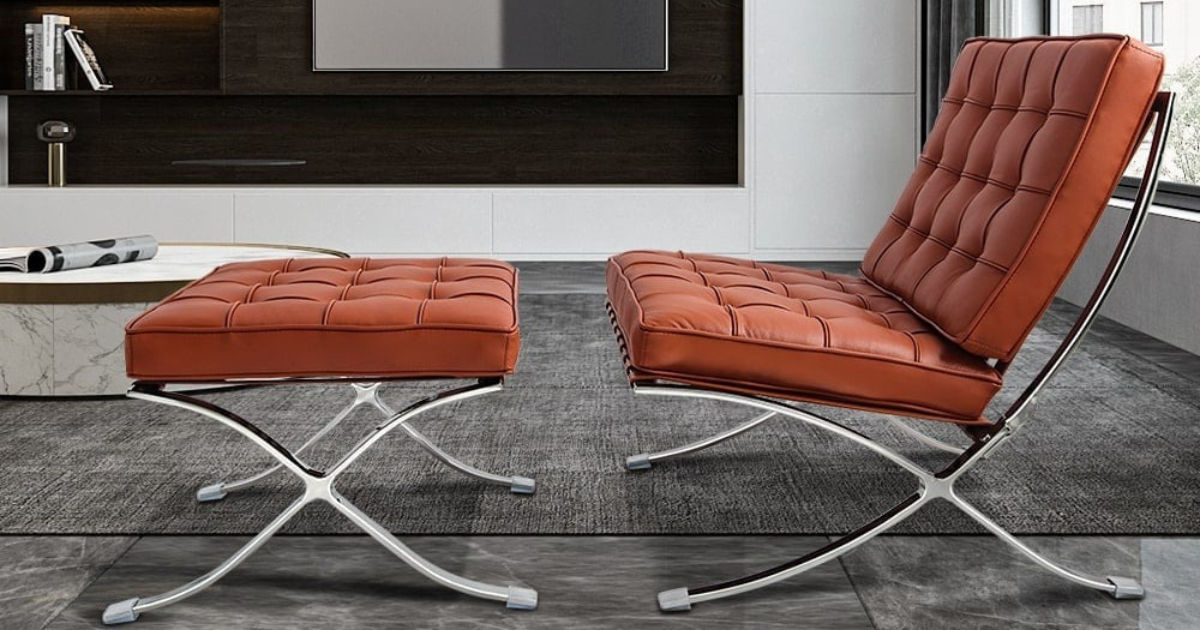 In reality, the Eames Barcelona Chair origin is tied to a different set of designers and a very specific historical moment. Understanding the Eames Barcelona Chair origin means understanding modernism, architecture, and how design myths are created over time.
This guide explores the Eames Barcelona Chair origin in depth. We will look at where the chair truly came from, why it is often misattributed, and how it became one of the most iconic pieces of furniture in the world.
Confusion Around the Name
The confusion surrounding the Eames Barcelona Chair origin begins with the name itself. The Eames Barcelona Chair origin is often incorrectly linked to the Eames because they are famous for mid-century modern furniture. However, the Eames Barcelona Chair origin has nothing to do with Charles or Ray Eames.
The Barcelona Chair was designed by Ludwig Mies van der Rohe and Lilly Reich. The mix-up happens because both designers worked in the modernist movement and shared similar values. Over time, people casually merged these design legacies, creating the myth of the Eames Barcelona Chair origin.
The True Designers Behind the Chair
To truly understand the Eames Barcelona Chair origin, we must look at Ludwig Mies van der Rohe and Lilly Reich. Mies was a German architect known for his “less is more” philosophy. Lilly Reich was a textile designer and architect who played a major role in furniture design.
The Eames Barcelona Chair origin traces back to their collaboration, not the Eames household. Reich’s contribution was especially important in material selection and form, shaping the final look of the chair.
The Historical Setting of the Design
The Eames Barcelona Chair origin is rooted in a specific time and place: Barcelona, Spain, in 1929. The chair was created for the German Pavilion at the International Exposition.
This historical setting defines the Eames Barcelona Chair origin. The chair was designed as a ceremonial seat for Spanish royalty. It was not meant for mass production or casual living rooms. Its purpose was symbolic and architectural.
The German Pavilion and Its Role
The German Pavilion was a modern architectural statement. It represented progress, clarity, and innovation. The Eames Barcelona Chair origin cannot be separated from this building.
Mies van der Rohe designed the pavilion as a space of calm and openness. The chair matched this vision. The Eames Barcelona Chair origin reflects the pavilion’s clean lines, open space, and luxurious simplicity.
Why the Chair Was Called “Barcelona”
The Eames Barcelona Chair origin includes its name, which comes directly from the city where it debuted. The chair was unveiled in Barcelona during the exposition.
The name stuck because it tied the chair to a moment in design history. Over time, people added “Eames” to the name, creating confusion about the Eames Barcelona Chair origin.
Materials Used in the Original Chair
The materials help define the Eames Barcelona Chair origin. The original chair used stainless steel and high-quality leather. At the time, these materials were expensive and difficult to work with.
The leather cushions were hand-stitched, showing craftsmanship rather than mass production. This detail is key to understanding the Eames Barcelona Chair origin as a luxury object rather than a consumer product.
Design Philosophy Behind the Chair
The Eames Barcelona Chair origin is deeply connected to modernist philosophy. Mies van der Rohe believed that furniture should express structure clearly.
The chair’s crossed steel legs are not hidden. They are celebrated. This honesty in design is central to the Eames Barcelona Chair origin and sets it apart from decorative furniture styles.
Influence of Ancient Furniture
Interestingly, the Eames Barcelona Chair origin also draws inspiration from ancient Roman folding stools. Mies adapted this classical form into a modern expression.
This mix of old and new helps explain why the Eames Barcelona Chair origin feels timeless. It is modern but grounded in historical references.
Why People Associate It With the Eames
The Eames Barcelona Chair origin is often misunderstood because Charles and Ray Eames were also pioneers of modern furniture. They designed famous chairs using new materials and mass-production techniques.
Because the Eames name is widely known, people naturally attach it to other iconic chairs. This has led to the widespread but incorrect idea of the Eames Barcelona Chair origin.
Differences Between Eames Designs and the Barcelona Chair
Understanding the Eames Barcelona Chair origin means comparing it to real Eames designs. The Eames focused on comfort, affordability, and mass production.
The Barcelona Chair, by contrast, was exclusive and ceremonial. This difference highlights why the Eames Barcelona Chair origin cannot truly belong to the Eames.
How the Chair Entered Popular Culture
The Eames Barcelona Chair origin story continued as the chair appeared in offices, movies, and luxury homes. Its sleek look symbolized power and sophistication.
As it became popular, the original story of the Eames Barcelona Chair origin became blurred. Pop culture simplified the narrative, leading to misattribution.
Licensing and Manufacturing History
The Eames Barcelona Chair origin also includes its manufacturing journey. In the 1950s, Mies allowed licensed production of the chair.
This move made the chair more widely available, though still expensive. The Eames Barcelona Chair origin remains tied to quality craftsmanship through licensed manufacturing.
Why the Chair Became a Status Symbol
The Eames Barcelona Chair origin explains its status as a luxury symbol. It was never designed for comfort alone. It was meant to represent authority and refinement.
This is why the chair often appears in executive offices. The Eames Barcelona Chair origin aligns with ideas of leadership and prestige.
Modern Replicas and Mislabeling
Today, many replicas are sold online. These often use the phrase Eames Barcelona Chair origin incorrectly to attract buyers.
Understanding the true Eames Barcelona Chair origin helps consumers recognize authentic design history and avoid misleading marketing.
Educational Importance of Design Attribution
Learning the Eames Barcelona Chair origin is important for students and design lovers. Attribution respects the work of original creators.
When we mislabel the Eames Barcelona Chair origin, we erase the contributions of Mies van der Rohe and Lilly Reich.
The Role of Lilly Reich in History
For years, Lilly Reich was overlooked. The Eames Barcelona Chair origin story now increasingly acknowledges her role.
Modern historians recognize that Reich contributed significantly to the chair’s materials and proportions. This makes the Eames Barcelona Chair origin a shared achievement.
Why the Chair Still Matters Today
The Eames Barcelona Chair origin remains relevant because it represents a turning point in design. It showed that furniture could be architectural.
Design students still study the Eames Barcelona Chair origin to understand modernism and minimalism.
Lessons We Learn From the Chair’s History
The Eames Barcelona Chair origin teaches us to question assumptions. Popular belief is not always accurate.
It also teaches respect for collaboration and historical context in design.
How to Explain the Origin Simply
If someone asks about the Eames Barcelona Chair origin, the simple answer is this: it did not come from the Eames.
It originated in 1929, designed by Mies van der Rohe and Lilly Reich for the Barcelona Exposition.
Common Myths Debunked
One myth is that the Eames designed the chair. Another is that it was made for everyday comfort.
Understanding the Eames Barcelona Chair origin clears up these myths and restores historical accuracy.
The Chair’s Place in Modern Design Education
The Eames Barcelona Chair origin is taught in architecture and design classes worldwide.
It represents modernist values and careful craftsmanship, making it a timeless case study.
Final Thoughts on Its Origin
The Eames Barcelona Chair origin is a story of innovation, misunderstanding, and lasting influence.
It reminds us that design history deserves careful attention and respect.
Conclusion
The Eames Barcelona Chair origin is one of the most fascinating stories in modern design, not because it involves the Eames, but because it shows how history can become distorted over time. The chair originated in 1929 at the Barcelona International Exposition, designed by Ludwig Mies van der Rohe with essential contributions from Lilly Reich. It was created as a ceremonial object, blending modern materials with classical inspiration.
Understanding the Eames Barcelona Chair origin helps us appreciate the values of modernism: simplicity, honesty, and structure. It also teaches an important lesson about giving credit where it is due. By learning the true Eames Barcelona Chair origin, we preserve the legacy of the designers who truly shaped one of the most iconic chairs in the world